Co-Curricular Activities Training
Home Co-Curricular Activities Training
Co-Curricular Activities Training
Co-Curricular Activities Training (Ongoing)
Project Title: Protivar Alo-Ability Through Creativity, Dignity Through Livelihood
(An integrated creative development project for persons with physical, intellectual, and neurodevelopmental disabilities)
Project Location: Dhaka, Bangladesh (with PWDs of other districts)

In Bangladesh, most persons with disabilities — whether physical, intellectual, or neurodevelopmental (including autism, Down syndrome, cerebral palsy and other neurodevelopmental conditions) — remain excluded from employment and self-expression opportunities despite having real abilities, simply due to a lack of appropriate training, market linkages and social recognition. Prevailing attitudes tend to undervalue their creative capacity, leaving them marginalized within family and society. The "Protivar Alo" project addresses this gap by transforming the latent talents of persons with disabilities into professional skills through art and culture-based training, ensuring their economic and social inclusion.

Target Beneficiaries:

  • Adolescents and adults with intellectual, physical, visual, hearing, and neurodevelopmental disabilities (including autism spectrum disorder, Down syndrome, and cerebral palsy).
  • Members with disabilities from poor and marginalized families with limited access to conventional employment.
  • Women with disabilities, who face dual marginalization on account of both disability and gender.

Goal & Objectives:

Goal:

To ensure the cultural talents of persons with disabilities into professional skills through arts, paintings and co-curricular activity-based training, ensuring their economic and social inclusion.  

Specific Objectives:

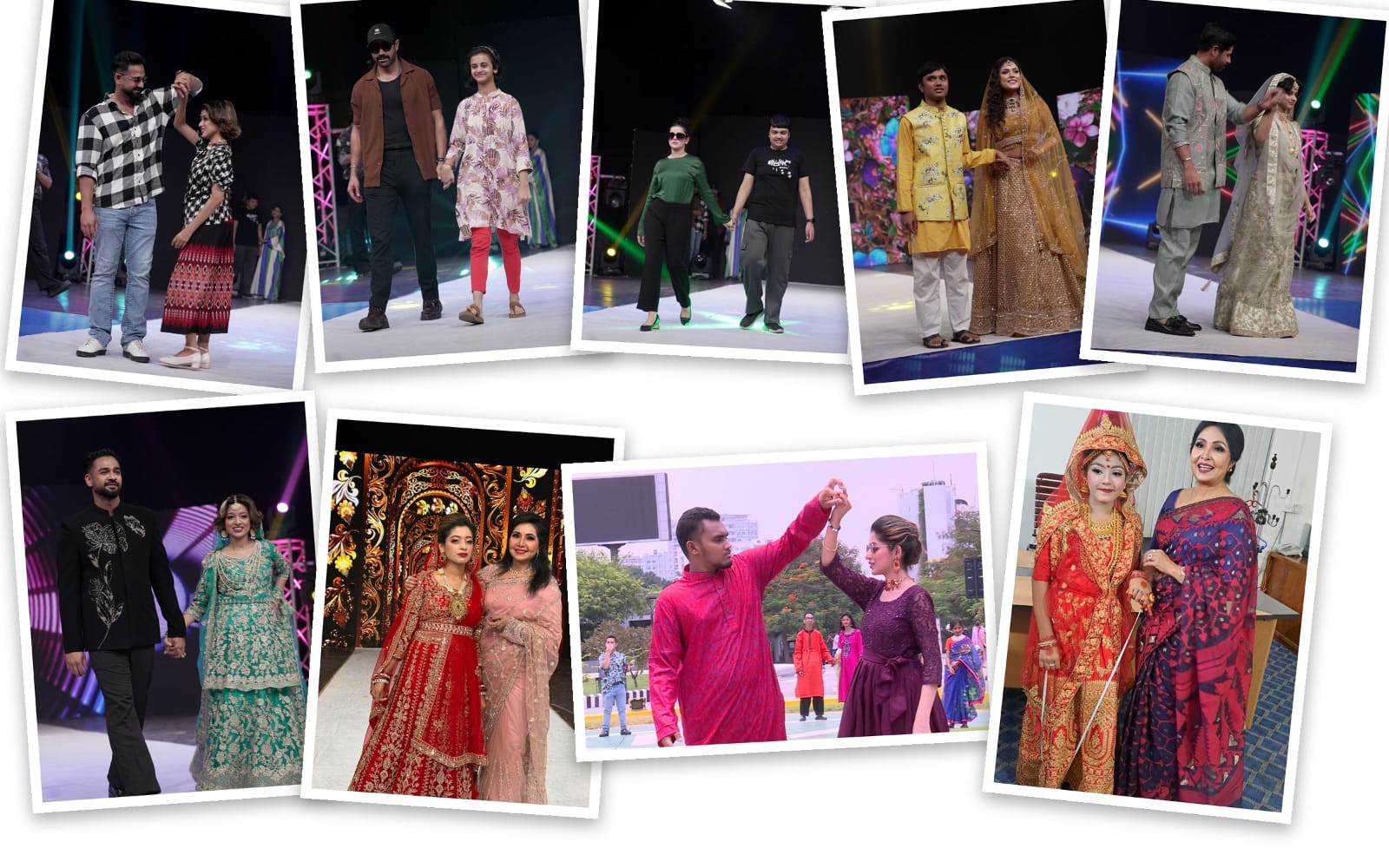
  • Provide professional-level training in art & painting, fashion ramp, dance, and music to persons with disabilities
  • Build sustainable market linkages for the artwork they create (through the Barnali brand)
  • Ensure their participation and representation on national and international cultural platforms
  • Improve mental health and self-confidence through creative activities
  • Foster a positive societal outlook on the capabilities of persons with disabilities

Our Approach:

IWS believes that disability does not mean a lack of ability, but rather a lack of opportunity. Our approach is therefore not one of charity, but of "strength-based empowerment" — building pathways to training, income and recognition based not on what a person with a disability lacks, but on what they have: talent, creativity and determination. Here, trainees are not merely "beneficiaries" — they are artists, performers, and income partners.

Methodology:

  • Identification & Enrollment — identifying promising individuals through the community and families, initial assessment and branch selection based on interest.
  • Training Delivery — hands-on, individualized training delivered consistently by experienced trainers
  • Production & Curation — collecting and curating artwork produced after training based on quality
  • Marketing — selling through the "Barnali" brand across online and offline platforms
  • Stage & Competition Linkage — ensuring participation in government and private cultural events, competitions, and exhibitions
  • Income Distribution — the full proceeds from sales are handed directly to the respective artist with a disability

Market Access:

"Barnali" functions as an established handicraft brand platform through which artwork and handicrafts created by artists with disabilities reach consumers directly. Plans are underway to expand market access through e-commerce platforms, exhibition stalls, corporate gifting, and dedicated fairs, so that artists gain ongoing income rather than one-time sales.

Sustainability Plan:

  • Reinvesting a portion of sales revenue into training activities.
  • Developing local community trainers to reduce dependency on external trainers.
  • Gradually establishing the Barnali brand as an independent social enterprise.
  • Building long-term corporate and institutional partnerships.

Risk & Mitigation:

Potential Risk

Mitigation Strategy

Market demand uncertainty

Product diversification and use of both online and offline sales channels

Irregular attendance of trainees

Family-inclusive counseling and flexible scheduling

Shortage of trainers

Investment in developing local trainers

Funding shortfalls

Diversifying income sources (sales, CSR, grants)

Gender Inclusion:

The project gives priority inclusion to women with disabilities, who face marginalization on two fronts — disability and gender. Training schedules and transport arrangements are kept women-friendly, and women's representation in leadership roles is actively encouraged.

Exit Strategy:

  • Supporting trainees in establishing themselves as independent entrepreneurs once they reach a defined skill level.
  • Providing initial guidance and connections for successful artists to establish their own brand/outlet.
  • Gradually transferring project management responsibility to the community by developing local trainers.
  • Ensuring long-term sustainability by establishing Barnali as a self-sufficient social enterprise.

Expected Impact:

  • Visible representation of the talent of persons with disabilities in the national cultural arena
  • sessions with mothers present throughout.
  • Creation of regular income opportunities for trained persons with disabilities.
  • A shift in societal attitudes toward the capabilities of persons with disabilities.
  • Improved mental health and self-esteem among participants.