


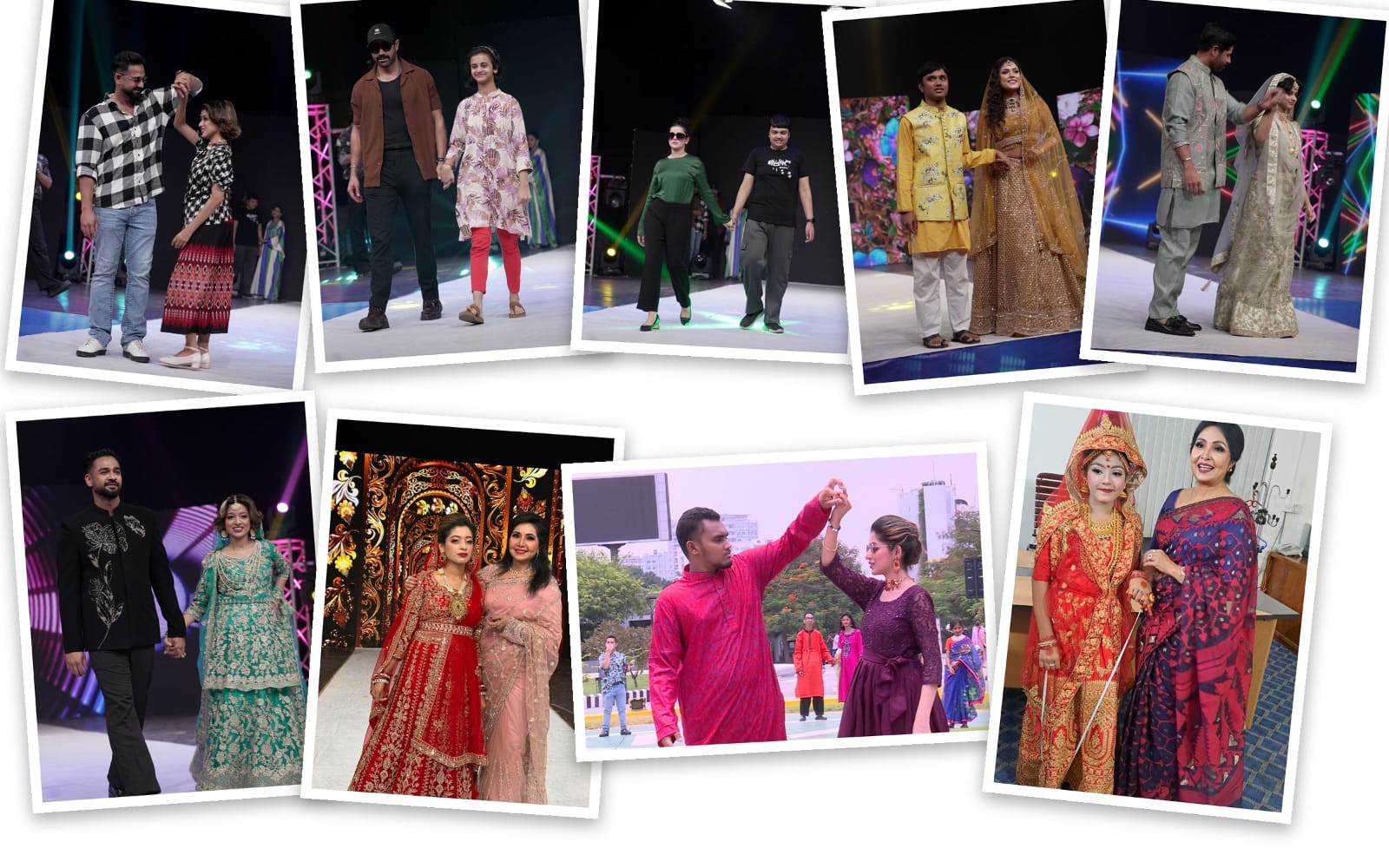
In Bangladesh, most persons with disabilities — whether physical, intellectual, or neurodevelopmental (including autism, Down syndrome, cerebral palsy and other neurodevelopmental conditions) — remain excluded from employment and self-expression opportunities despite having real abilities, simply due to a lack of appropriate training, market linkages and social recognition. Prevailing attitudes tend to undervalue their creative capacity, leaving them marginalized within family and society. The "Protivar Alo" project addresses this gap by transforming the latent talents of persons with disabilities into professional skills through art and culture-based training, ensuring their economic and social inclusion.
Target Beneficiaries:
Goal & Objectives:
Goal:
To ensure the cultural talents of persons with disabilities into professional skills through arts, paintings and co-curricular activity-based training, ensuring their economic and social inclusion.
Specific Objectives:
Our Approach:
IWS believes that disability does not mean a lack of ability, but rather a lack of opportunity. Our approach is therefore not one of charity, but of "strength-based empowerment" — building pathways to training, income and recognition based not on what a person with a disability lacks, but on what they have: talent, creativity and determination. Here, trainees are not merely "beneficiaries" — they are artists, performers, and income partners.
Methodology:
Market Access:
"Barnali" functions as an established handicraft brand platform through which artwork and handicrafts created by artists with disabilities reach consumers directly. Plans are underway to expand market access through e-commerce platforms, exhibition stalls, corporate gifting, and dedicated fairs, so that artists gain ongoing income rather than one-time sales.
Sustainability Plan:
Risk & Mitigation:
Potential Risk | Mitigation Strategy |
Market demand uncertainty | Product diversification and use of both online and offline sales channels |
Irregular attendance of trainees | Family-inclusive counseling and flexible scheduling |
Shortage of trainers | Investment in developing local trainers |
Funding shortfalls | Diversifying income sources (sales, CSR, grants) |
Gender Inclusion:
The project gives priority inclusion to women with disabilities, who face marginalization on two fronts — disability and gender. Training schedules and transport arrangements are kept women-friendly, and women's representation in leadership roles is actively encouraged.
Exit Strategy:
Expected Impact: